Wheated Bourbon Basics: Why Swapping Rye for Wheat Changes Everything
What makes a bourbon "wheated," why it tastes softer and sweeter than rye-forward bourbons, and what to expect from a wheated pour.
Wheated bourbon has built a devoted following for one specific reason. It trades bourbon's usual spice for something gentler, and a lot of drinkers find that trade completely worth it.
What "wheated" actually means
Every bourbon needs a secondary grain beyond the required 51% corn minimum, and most producers reach for rye. Wheated bourbons swap that rye for wheat instead. It sounds like a small substitution, but wheat behaves very differently in a mash than rye does, and that difference shows up clearly in the glass.
Why wheat softens everything
Rye brings pepper, spice, and a slightly bitter edge. Wheat brings none of that. In its place, wheat contributes a rounder sweetness that leans toward honey, vanilla, and warm bread. The result is a bourbon that drinks softer and more approachable, with less of the sharp, peppery bite that defines a rye-forward mash bill.
This is part of why wheated bourbons have become a common recommendation for people newer to whiskey. The learning curve is gentler, and there's less alcohol heat to push through before the actual flavors show up.
A fall pairing that makes sense
Wheated bourbon's soft sweetness pairs naturally with the kind of evening Michigan does well in October: apple orchards, a bonfire, temperatures cold enough to want something warming but not so cold that a bold, high-proof pour feels necessary. The honey and vanilla notes echo a lot of what's already on the table during that stretch of the year, caramelized apples, warm bread, baked desserts.
What to expect in the glass
A well-made wheated bourbon should show clear vanilla and caramel up front, with a soft, almost bread-like sweetness underneath. The finish tends to be gentler than a rye-forward bourbon, without much of the black pepper or cinnamon spice that shows up in a high-rye mash bill. That's the entire appeal of the category, not a shortcoming of it.
Wheated doesn't mean simple
It's easy to assume soft means less interesting, but that isn't how wheated bourbon actually works. Some of the most collected bourbons in the country lean wheated. Given enough time in the barrel, a wheated mash bill can develop real depth and plenty of oak, just without the spice competing for attention.
How wheated drinks differently, sip to sip
Because there's less spice pulling focus away from the sweeter notes, wheated bourbon tends to reward slower sipping. A rye-forward bourbon often shows its personality immediately, sometimes aggressively. A wheated bourbon tends to open gradually, with the honey and vanilla notes building across a few sips rather than announcing themselves all at once.
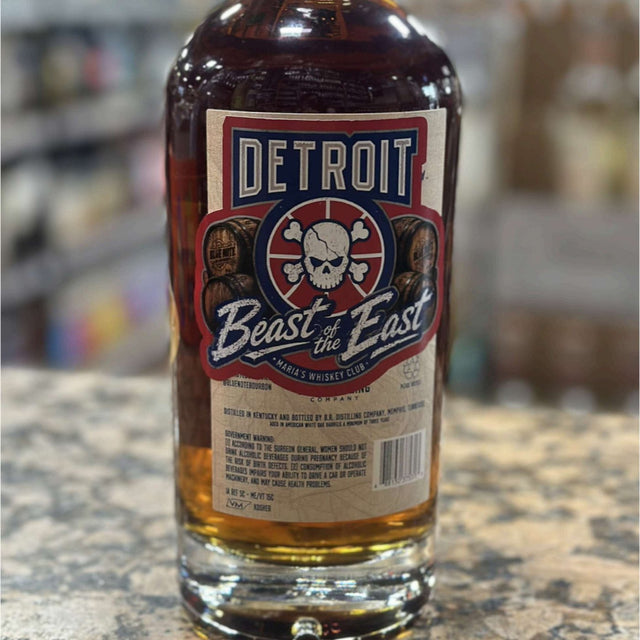
Why Maria's Whiskey Club features wheated releases
We bring wheated bourbon into the Club regularly because it does something rye-forward bourbons can't. It gives newer members an easy entry point while still rewarding people who've been collecting for years. A well-chosen wheated release proves that approachable and serious aren't opposites.
Visit the Wheated section of the Club to see this season's release.