High-Rye Bourbon: What Happens When Spice Takes the Lead
What makes a bourbon "high-rye," how it differs from a standard or wheated mash bill, and what that extra spice does to the finished whiskey.
Every bourbon needs at least 51% corn, but what fills the rest of the mash bill decides almost everything else about how it tastes. High-rye bourbon pushes that remaining share toward rye instead of wheat, and the difference shows up immediately.
What counts as "high-rye"
There's no single legal threshold for the term, but most bourbons described as high-rye use somewhere between 20% and 35% rye in the mash bill, well above the smaller rye percentage in a standard bourbon recipe. That extra rye changes the whiskey's entire personality.
Spice instead of softness
Rye brings black pepper, cinnamon, and a slightly bitter, herbal edge that corn and wheat simply don't produce. A high-rye bourbon carries that spice through the whole tasting experience, from the first nosing to the finish. Where a wheated bourbon leans toward honey and soft bread, a high-rye bourbon leans toward something drier and more assertive, closer in character to rye whiskey itself without actually crossing into that category.
Why some drinkers prefer it
High-rye bourbon tends to appeal to people who find standard or wheated bourbons a little too sweet. The added rye cuts through some of corn's natural sweetness, producing a bourbon that reads as more complex and less soft, with a finish that lingers longer and drier than a wheated pour typically manages.
A useful comparison point
Tasting a high-rye bourbon next to a wheated bourbon, side by side, is one of the fastest ways to understand what a mash bill actually does to flavor. Both technically meet the same 51% corn minimum. What separates them is that remaining percentage, and the difference is obvious within a single sip.
Cocktails favor high-rye
High-rye bourbons hold up well in cocktails that call for a bolder base spirit. An Old Fashioned or a Manhattan built on a high-rye bourbon carries more backbone than one built on a softer, wheated pour, since the rye spice doesn't disappear behind sugar and bitters the way a gentler mash bill can.
What to look for
Check the label or ask before buying. Distilleries don't always print the exact rye percentage, but "high-rye" on a label or in tasting notes is a reliable signal that the bourbon will taste spicier and drier than a standard release.
A Michigan angle
Michigan's own craft distillers, now numbering more than 80 statewide according to the Michigan Craft Distillers Association, produce a real mix of high-rye and wheated bourbons, giving local drinkers an unusually wide range to compare without needing to look far.
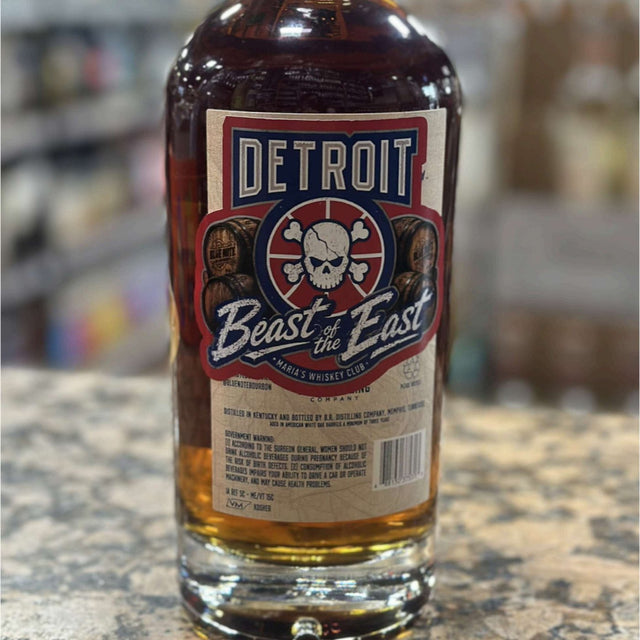
Maria's Whiskey Club rotates high-rye releases specifically to give members that spice-forward comparison point against the wheated and standard bourbons already in rotation.
Explore our current lineup to find a high-rye release worth comparing against your usual pour.